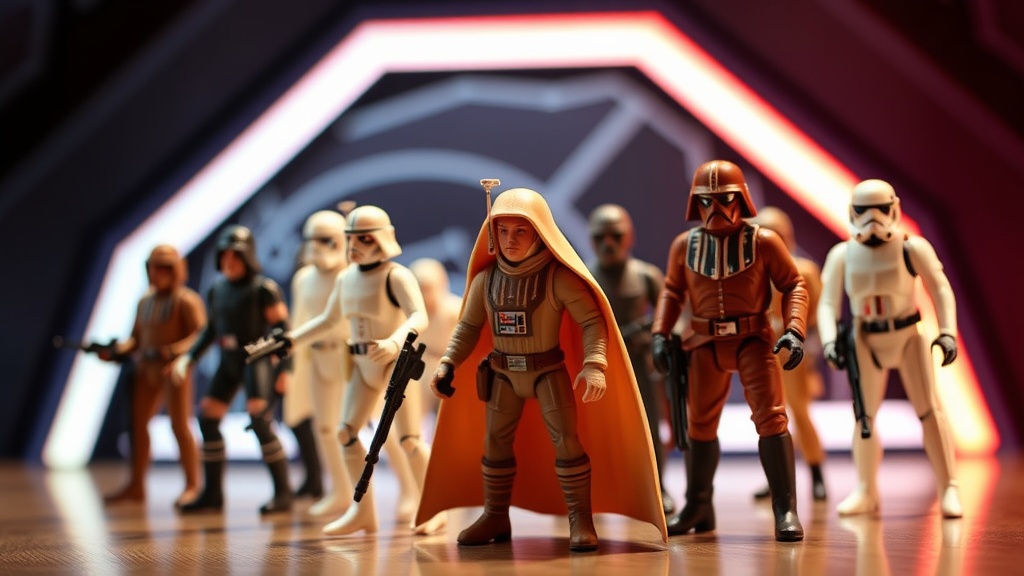
Vintage Star Wars Action Figures: A Complete Collector's Guide to Kenner Classics

There's a reason vintage Kenner Star Wars figures remain the gold standard for toy collectors decades after they first hit shelves. This guide covers everything from identifying authentic pieces and understanding grading systems to spotting reproduction accessories and building a collection that holds value. Whether you're dusting off childhood treasures or entering the market for the first time, you'll find practical strategies for buying smart and avoiding costly mistakes.
What Makes Kenner Star Wars Figures So Valuable?
Rarity, nostalgia, and condition drive the market. Kenner produced Star Wars action figures from 1978 through 1985, spanning the original trilogy era. Some figures saw limited production runs. Others were released exclusively in specific markets. The result? A collector's space where a loose Boba Fett with its original jetpack might fetch $50, while a carded Vinyl Cape Jawa can command upwards of $10,000.
The collecting community recognizes specific factors that separate common pieces from genuine rarities. First, the manufacturing window—Kenner operated on tight production schedules dictated by movie release dates. When The Empire Strikes Back hit theaters, demand exploded. Figures like Yoda and Bossk had shorter production cycles than core characters, making them harder to find today.
Card variants add another layer. Early figures shipped on 12-back cards (referencing the original twelve characters). Later waves introduced different card art, bubble styles, and country of manufacture markings. Canadian releases—often marked "Guerre des Étoiles"—carry premiums in certain circles. Australian "Toltoys" releases and UK "Palitoy" versions represent their own collecting niches.
Here's the thing: not all "rare" figures are actually rare. The hobby has its share of manufactured scarcity stories. Research matters. Communities like Rebelscum maintain detailed archives documenting authentic variants versus dealer hype.
How Do You Grade Vintage Star Wars Figures?
Professional grading follows standardized criteria assessing card condition, bubble integrity, figure paint, and accessory completeness. The two major services—Collector Archive Services (CAS) and Action Figure Authority (AFA)—use 100-point scales with corresponding letter grades.
For carded figures, graders examine corners for creasing, surface wear, and price tag residue. The bubble receives scrutiny for yellowing, cracks, and seal integrity. Even minor separation drops grades significantly. AFA 85 (NM+) represents investment-grade condition. Anything below 70 shows visible wear that impacts resale value substantially.
Loose figures face different evaluation. Paint wear on high-points—foreheads, boots, hands—reduces grades. Loose limbs matter too. That said, a figure with tight joints and minimal paint loss outperforms a mint-painted piece with floppy legs. Collectors call the latter "rubber figures"—displayable but less desirable.
| Grade | Condition | Typical Characteristics |
|---|---|---|
| AFA 90+ (Gem Mint) | Pristine | No visible flaws, perfect bubble seal, crisp card |
| AFA 85 (NM+) | Near Mint Plus | Minor imperfections only, excellent display presence |
| AFA 80 (NM) | Near Mint | Slight corner wear, possible minor bubble clouding |
| AFA 75 (EX+/NM) | Excellent Plus | Visible handling, small creases, light surface wear |
| AFA 60-70 (EX) | Excellent | Moderate wear, possible price tags, yellowing |
| Below 60 | Good or Lower | Heavy wear, creasing, damage—best for loose collectors |
Worth noting: grading isn't mandatory. Many collectors prefer "raw" ungraded figures, accepting the risk of hidden flaws for lower prices. The catch? Counterfeit cards and bubbles have improved dramatically. Without authentication experience, buying high-dollar raw pieces carries substantial risk.
Which Figures Should New Collectors Target First?
Start with characters you actually like. Seriously. The vintage market fluctuates—characters hot today cool tomorrow—but genuine enthusiasm sustains collections through downturns. That said, certain figures offer solid entry points with growth potential.
Original Twelve (Star Wars 12-Backs): Luke Skywalker, Princess Leia, Han Solo, Chewbacca, R2-D2, C-3PO, Darth Vader, Ben (Obi-Wan) Kenobi, Stormtrooper, Death Squad Commander, Sand People (Tusken Raider), and Jawa. These saw the longest production runs, making loose examples relatively accessible. A complete loose set runs $400-800 depending on condition—not cheap, but achievable.
Empire Strikes Back Additions: Yoda, Boba Fett, Bossk, IG-88, Lando Calrissian, and the Hoth trooper variants. Boba Fett—with his controversial rocket-firing prototype history—remains perpetually popular. Even beat-up loose examples sell quickly. Yoda's diminutive size makes him deceptively expensive; fewer survived intact.
Return of the Jedi Waves: The Ewoks (Wicket, Logray, Chief Chirpa), Emperor's Royal Guard, and Admiral Ackbar. These often carry lower premiums than Empire figures despite equal rarity. Scavenging the bargain bins at toy shows sometimes yields surprises.
Here's the thing about "investment" collecting: it rarely works as planned. Markets shift. Tastes evolve. The collectors who build lasting, valuable collections focus on condition and completeness over speculation. A complete, authentic figure with original accessories outperforms a dozen incomplete rare pieces.
Reproduction Accessories: The Hidden Trap
This deserves its own warning. The reproduction market for vintage Star Wars weapons and accessories has grown sophisticated. Factory-original blasters have specific mold marks, plastic composition, and coloration that separates them from fakes. The Imperial Blaster (shared by Stormtroopers, Death Star Commanders, and others) shows some of the most common reproductions.
Authentic Kenner weapons from 1978-1985 used specific plastic formulas that age predictably. Reproductions often feel different—lighter, shinier, or with slightly "soft" sculpt details. The telescoping lightsabers for Luke and Ben Kenner figures represent particularly high-stakes territory; real ones command hundreds, while reproductions cost pennies to manufacture.
Several dealers specialize in guaranteed-authentic accessories. The Toy Vault and established eBay sellers with extensive feedback histories offer safer purchasing than random auction listings. When buying loose figures advertised as "complete," request detailed photos of weapons from multiple angles. Legitimate sellers accommodate this. Hesitation suggests problems.
Where Should You Buy Vintage Star Wars Figures?
Multiple channels exist, each with distinct advantages and risks. Understanding these helps you shop strategically.
Toy Shows and Conventions: The best hands-on evaluation opportunity. Ottawa-area collectors have access to several annual shows, plus Toronto's larger events within driving distance. Vendors at established shows stake their reputations on authenticity—misrepresenting items damages future business. You can examine card bubbles for cracks, check paint wear under proper lighting, and negotiate bundle pricing.
Online Marketplaces: eBay remains dominant, though Facebook collector groups and specialized forums (like those on Rebelscum) offer alternatives. The catch? Photos lie. Lighting hides flaws. Sellers use ambiguous condition descriptions ("good for its age" means nothing). Always request additional photos for items over $100. Check seller return policies carefully.
Estate Sales and Thrift Stores: The lottery approach. Occasionally, complete childhood collections surface at estate sales—often underpriced because sellers don't recognize values. Success requires persistence and knowledge. Most trips yield nothing. The occasional jackpot justifies the effort for dedicated hunters.
Auction Houses: Heritage Auctions and similar houses handle high-end vintage Star Wars pieces. Graded rarities, proof cards, and prototype items appear regularly. Fees add up (buyer's premiums often reach 20-25%), but authenticity guarantees and condition documentation justify costs for four-figure purchases.
Building Relationships With Dealers
The vintage toy community runs on relationships. Repeat customers get first looks at new inventory. Dealers remember preferences and reach out when specific figures surface. Attending the same shows consistently, participating in online discussions, and conducting fair business builds networks that pay dividends.
That said, "dealer friendliness" shouldn't override skepticism. Even established sellers make mistakes—or face temptation when handling extremely rare pieces. Always verify high-dollar purchases independently. Documentation matters. Receipts with item descriptions protect both parties.
How Should You Store and Display Your Collection?
Proper storage preserves value. UV light destroys—carded figures fade, plastic yellows, paint deteriorates. Direct sunlight causes irreversible damage within months. Display cases with UV-filtering acrylic offer protection while maintaining visibility. Several companies produce cases sized specifically for vintage Star Wars cardbacks.
Temperature and humidity fluctuations cause plastic embrittlement and cardboard warping. Ideal storage maintains consistent 65-75°F temperatures with moderate humidity. Basements and attics—common default storage spots—rank among the worst choices due to moisture and temperature swings.
For loose figures, acid-free storage boxes with individual compartments prevent paint rub and accessory loss. Small ziplock bags work for weapons, though some collectors prefer compartmented tackle boxes. The key is preventing pieces from contacting each other—plastic-on-plastic contact causes wear over time.
Ultimately, vintage Star Wars collecting rewards patience, knowledge, and genuine appreciation for these iconic toys. The hunt for that perfect piece—whether a mint-on-card Boba Fett or a childhood-beat-up Stormtrooper with all original accessories—connects collectors across generations. Start small. Learn constantly. And remember: the best collections reflect personal passion, not just market value.