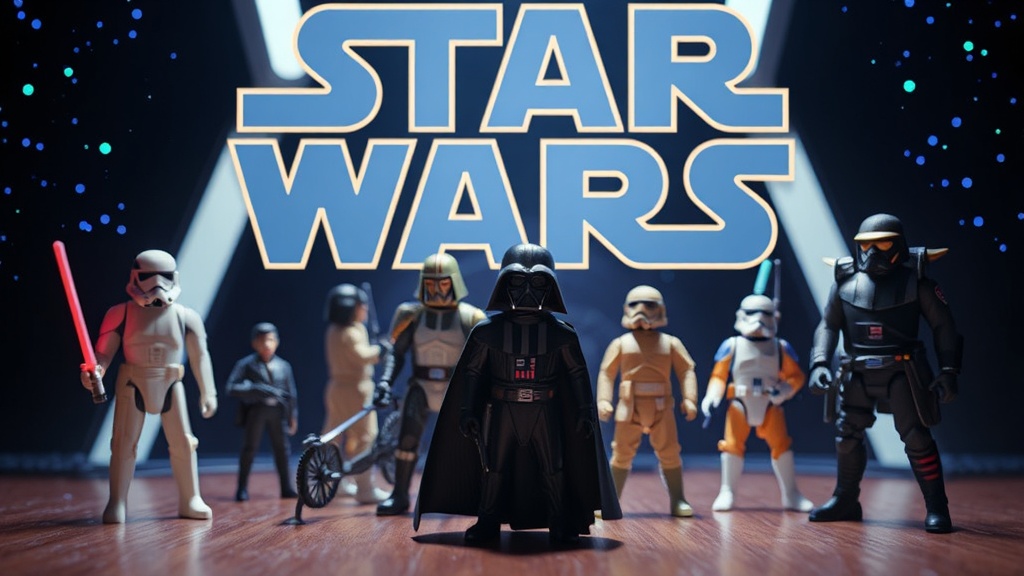
The Unsung Heroes: Unearthing Collectible Star Wars Toys From Later Eras

The myth that only vintage Star Wars toys hold serious value often leads collectors astray.
Many passionate enthusiasts believe the collecting game begins and ends with Kenner's original 12 back figures, or perhaps stretches to the ‘Return of the Jedi’ era. This narrow focus means countless genuinely valuable and historically significant Star Wars toys from the vast expanse of post-vintage lines get overlooked. This article isn't about reminiscing about childhood finds; it’s about equipping you with the insight needed to identify which figures from the prequels, sequels, animated series, and various modern lines possess real, enduring appeal and, yes, often impressive aftermarket value. We’ll dive into what truly defines a sought-after collectible in an age of mass production, moving beyond pure nostalgia to concrete attributes that make a figure stand out.
What makes a modern Star Wars toy valuable?
Understanding value in the contemporary Star Wars toy market requires a shift from the scarcity-driven mindset of vintage collecting. While production numbers certainly play a role, modern value often hinges on a confluence of factors, including initial distribution, character popularity, and articulation quality. A figure released in limited quantities, perhaps as a store exclusive or a convention-only item, immediately gains an advantage. Consider the early Black Series figures that were store exclusives; their initial difficulty to acquire translated directly into higher aftermarket prices. Beyond mere availability, a figure’s sculpt accuracy and articulation—how well it captures the character’s likeness and how poseable it is—can significantly impact its long-term desirability. Collectors today expect a high degree of fidelity, and figures that deliver on this often become cornerstones of collections. The material quality, paint application, and even the choice of accessories all contribute to this perceived value.
Moreover, the character itself carries weight. Figures of pivotal characters, popular aliens, or even obscure background players from beloved scenes can achieve cult status, driving demand even if their initial release numbers weren't particularly low. Sometimes, a character might have a relatively brief but impactful appearance in a show or movie, yet their figure is produced in limited quantities due to underestimation of their popularity. These figures can quickly become surprisingly valuable. It’s also worth noting how specific manufacturing nuances—like a unique paint variant or a first-run production with a slight error—can inadvertently create a rarer item that fetches a premium. Keeping an eye on these subtleties, rather than just the big-name releases, is key to spotting genuine treasures.
How do I spot a future classic today?
Identifying a future classic isn't about having a crystal ball, but rather about developing an informed eye and understanding market trends. One clear indicator is the **limited production run or exclusive status.** Retailer exclusives, particularly those from international markets, often become harder to find over time. Convention exclusives, like those from San Diego Comic-Con or Star Wars Celebration, are another prime example—they are produced in finite numbers and often feature unique packaging or accessories. These almost invariably become sought-after items. Pay attention to how quickly certain figures sell out upon release; a rapid sell-out can be a strong predictor of future demand.
Another sign to look for involves **character significance and "first appearances."** A figure representing a character’s debut in a particular toy line, especially if that character later gains significant popularity, has strong potential. Think about the first 3.75-inch figures of characters from The Mandalorian or Ahsoka; those initial releases often carry more weight than later re-releases, even if the later versions have improved articulation. Figures of fan-favorite side characters who only received one or two toy iterations can also become surprisingly valuable because their scarcity is coupled with enduring popularity. For instance, some of the obscure alien figures from the prequel era or the expanded universe still command high prices because they represent unique designs that haven’t been revisited frequently.
The **overall quality of the figure** also plays a significant part. Is the sculpt exceptionally detailed? Does it have a wide range of articulation points? Are the paint applications clean and precise? Figures that push the boundaries of what’s expected for their scale or price point tend to hold their value better. Think about what makes a figure truly stand out from its peers in terms of craftsmanship. Sometimes, it’s a specific accessory that’s particularly well-executed or a unique display stand. Collectors appreciate thoughtful design, and those figures that demonstrate it often become prized possessions. Additionally, be aware of variants—sometimes a minor paint difference or a cardback variation can make a figure significantly rarer, even if the change seems inconsequential at first glance. These small distinctions are often what separates a common figure from a collectible one. For more information on assessing toy quality and condition, you might consult resources like