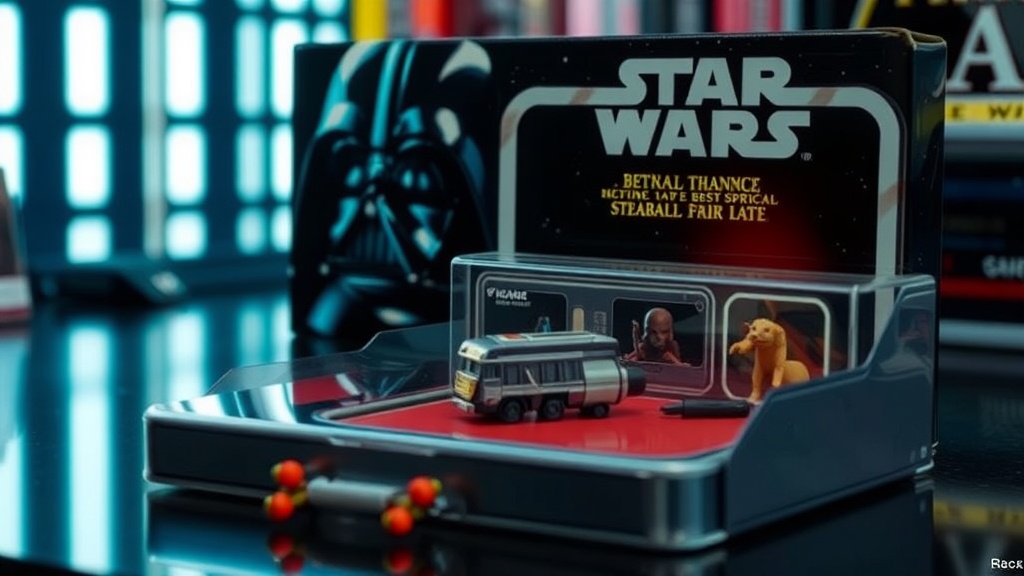
Preserving Vintage Star Wars Packaging: A Collector's Guide to Keeping Boxes Mint

This guide shows you exactly how to preserve vintage Star Wars packaging—cardbacks, boxes, and inserts—so your collection stays pristine for decades. You'll learn proper storage materials, environmental controls, handling techniques, and the subtle mistakes that turn mint packaging into damaged goods.
Why Does Star Wars Packaging Matter So Much?
Vintage Star Wars packaging isn't just cardboard and plastic—it's a time capsule of marketing art, toy history, and nostalgia. A Luke Skywalker figure worth $50 loose can command $500 or more in its original cardback. That value gap isn't arbitrary; collectors prize packaging because it represents the complete product as it appeared on store shelves in 1977, 1980, or 1983.
The artwork alone tells stories. The original 12-back cards feature the iconic Star Wars logo evolution, character portraits painted by artists who never imagined their work would become collectible. The back panels show other figures in the line—mini catalogs that sparked childhood wish lists. Bubble placement varies by factory (Kenner Hong Kong vs. Taiwan), creating sub-variants that specialists obsess over.
But here's what many collectors learn too late: packaging degrades faster than the figures inside. Cardboard absorbs moisture. Bubbles yellow and crack. Tape yellows. Paint rubs off from friction. Sunlight bleaches colors in months, not years. The good news? Most damage is preventable with the right approach.
What's the Best Way to Store Carded Figures Long-Term?
Carded figures—those still attached to their original cardboard backings—need protection from four enemies: light, moisture, pressure, and acid. Start with archival-quality materials. Regular polybags contain plasticizers that off-gas over time, creating a foggy residue on bubbles. Instead, use acid-free PET protective cases designed specifically for Star Wars carded figures.
These cases come in specific sizes: standard for 3.75-inch figures, larger for creatures and vehicles. The fit matters—too loose and the card slides around causing edge wear; too tight and you're compressing the bubble against the card. Look for cases with UV-resistant properties. They cost more than basic sleeves (roughly $3-8 per case versus $0.50 for bags), but consider the asset you're protecting.
Storage orientation sparks debate. Vertical standing keeps bubbles from pressing against shelves, but gravity stresses the cardback over decades. Horizontal stacking distributes weight better—but never stack more than three high, and place rigid supports between layers. The collector's consensus? Store carded figures vertically in rigid cases, supported by bookends or dividers that prevent leaning.
Environment control is non-negotiable. Aim for 65-70°F and 45-55% relative humidity. Basements flood. Attics bake. Closets near bathrooms absorb moisture. Use a hygrometer (about $10) to monitor conditions. Silica gel packets help, but replace them quarterly—they saturate faster than you'd think. For serious collections, a small dehumidifier pays for itself by preventing the warping and mold that destroys cardback integrity.
How Do You Protect Boxed Vehicles and Playsets?
Vintage Star Wars vehicles and playsets—think Millennium Falcon, AT-AT Walker, Death Star Space Station—present different challenges. Their boxes are larger, structurally complex, and often already show shelf wear. The goal shifts from mint preservation to preventing further degradation.
First, assess what you have. A sealed box (tape intact, contents unopened) demands different handling than an empty box stored flat. For sealed items, resist the temptation to "just peek inside." That tape tear drops value significantly. Instead, use a bright flashlight and angled lighting to inspect contents through any clear windows.
Boxed items need rigid support. Acid-free corrugated boards inserted inside maintain structural shape. Outside, custom acrylic cases exist for common items like the Kenner Millennium Falcon, but they're expensive ($50-150). A practical alternative: archival-grade storage boxes from suppliers like Gaylord or Hollinger. These acid-free containers protect against dust, light, and minor impacts while costing significantly less than display cases.
Tape is a particular concern on vintage boxes. That yellowed, brittle adhesive holding flaps closed? It's failing. Professional conservators use wheat starch paste for repairs, but that's extreme for most collectors. Better approach: document the tape's condition photographically, then leave it alone. Attempting removal often tears underlying cardboard. If tape is actively failing and exposing contents, archival document repair tape (reversible, acid-free) can provide support—but apply it to the inside of the box, not the exterior where it alters appearance.
What Handling Mistakes Destroy Packaging Value?
The way you handle packaging matters as much as how you store it. Natural oils from fingers transfer to cardboard, leaving invisible acids that accelerate yellowing. Bubble surfaces scratch easily—fingernails, rings, watches all cause permanent marks. Here's the protocol collectors follow:
- Always wash hands before handling—or better, wear cotton gloves for cardbacks, nitrile gloves for anything sticky or already deteriorating.
- Support the full weight—never lift a carded figure by the bubble. The glue is 40+ years old; it will fail. Support the cardback with both hands, distribute pressure evenly.
- Never slide across surfaces—cardboard edges abrade quickly. Lift, move, place. That simple.
- Photograph before any movement—insurance documentation matters, and photos catch damage you might miss in casual inspection.
Cleaning packaging is risky business. Dust responds to a soft brush—camera lens brushes work perfectly. Never use water, cleaning solutions, or wipes on cardboard. Bubbles can tolerate slightly damp microfiber cloths for smudges, but test a corner first. Some vintage plastics react unpredictably to moisture.
What about those price stickers? The ones from Kmart, Sears, Toys "R" Us that collectors call "price tags of provenance"? Leave them. Removing stickers from 40-year-old cardboard tears the surface nine times out of ten. The exception: stickers applied over important artwork that obscure identification. Even then, consult a professional paper conservator rather than DIY with a hairdryer and patience.
Should You Display Vintage Packaging or Keep It Stored?
Here's the tension in collecting: packaging exists to be seen, but display accelerates deterioration. The compromise? Rotating displays and protective measures that balance aesthetics with preservation.
If displaying, avoid direct sunlight entirely. UV-filtering window film helps, but total light elimination is safest. LED lighting produces minimal UV and heat—much better than incandescent or halogen. Display duration matters too; six months on display, six months in dark storage prevents cumulative light damage.
Consider high-quality reproductions for permanent display. Companies like Gentle Giant produce replica vintage packaging that's visually identical but without historical value. Your authentic item stays preserved; your display looks complete. Serious collectors often pursue this route—it's not "cheating," it's protecting irreplaceable artifacts while still enjoying the aesthetic.
Insurance deserves mention. Standard homeowner policies rarely cover collectibles adequately. Specialized collectibles insurance (companies like Collectibles Insurance Services or Heritage Insurance) covers vintage toys with agreed-value policies. Document everything—photographs, purchase receipts, condition notes. Update annually. The peace of mind is worth the modest premium, especially when single rare cardbacks can exceed $10,000 in value.
When Is Professional Conservation Worth the Cost?
Sometimes damage occurs despite best efforts—water damage from a roof leak, mold from humidity spikes, pest infestation in storage. Professional paper and object conservators can perform miracles, but their services aren't cheap ($100-500+ per item depending on complexity).
Conservation makes financial sense when the item's value significantly exceeds restoration costs. A $2,000 vinyl-caped Jawa cardback warrants professional attention if the bubble is separating. Your common Luke X-Wing Pilot? Probably not. Conservation also matters for historically significant pieces—prototype packaging, store displays, items with documented provenance to designers or actors.
Find conservators through the American Institute for Conservation or similar professional bodies. Ask about experience with vintage toys specifically. Request references and before/after documentation examples. Good conservators explain their process, use reversible techniques, and document everything. They won't promise miracles, but they'll stabilize deterioration and improve appearance without destroying authenticity.
Ultimately, packaging preservation is about respecting the history these objects represent. Kenner's Star Wars line changed toy marketing forever—these boxes and cards are artifacts from that revolution. Treat them thoughtfully, store them properly, handle them carefully, and they'll outlast your collecting career, passing to the next generation in condition that honors their heritage.