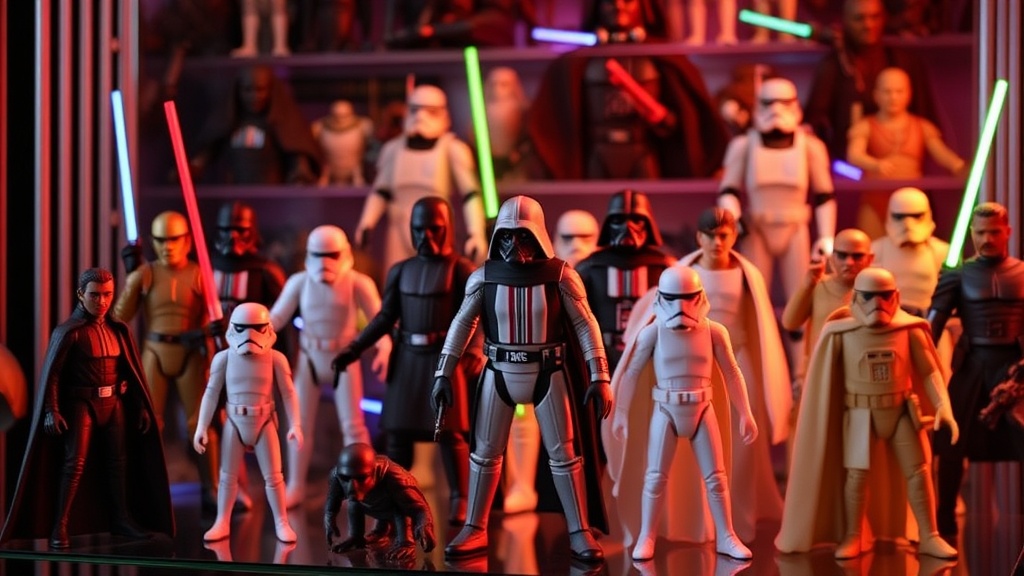
Organizing Your Star Wars Figure Collection by Era and Scale

A single dedicated collector might own over 500 individual figures, yet many of these collections end up as a disorganized heap of plastic on a shelf. Organizing a Star Wars collection isn't just about making things look pretty; it's about preserving the historical context of the toys and making sure you can actually find that one specific Boba Fett you've been looking for. This guide focuses on the logistical side of curation—how to categorize, group, and store your figures so your collection remains a cohesive library rather than a chaotic pile.
How do I group my Star Wars figures effectively?
The first step is deciding on your primary organizational pillar. Most collectors fall into one of two camps: the Chronological Collector or the Scale Collector. If you follow the timeline of the Star Wars galaxy, you'll group your figures by the eras defined by the films and the Expanded Universe. This might mean having a dedicated section for the Prequel Era (Episode I-III), the Imperial Era (the original trilogy), and the New Republic Era (the Mandalorian era).
Grouping by era is great for storytelling. It lets you see the evolution of toy design and character-driven themes. For instance, you might have a shelf dedicated solely to the Clone Wars era, showcasing everything from 3.75-inch figures to high-end statues. This approach works well if you're a fan of the narrative arc of the franchise. However, it can get messy if you have different scales mixed together in the same era-specific section.
The alternative is grouping by scale or manufacturer. This is a more technical approach. If you're a Black Series enthusiast, you'll want your 6-inch figures together. If you're a Kenner purist, your 3.75-inch vintage figures should live in their own ecosystem. This keeps the visual weight of your shelves consistent. You don't want a tiny 2-inch Micro Galaxy figure sitting next to a massive 12-inch scale figure without some form of distinction. It creates visual clutter that breaks the immersion.
Which storage solutions work best for different figure types?
Not all figures are created equal when it comes to housing. A standard action figure on a peg or a shelf has different needs than a delicate high-end collectible. For example, if you own the Hasbro Black Series line, you need sturdy shelving that can support the weight of several 6-inch figures standing upright. Standard bookshelves often work, but you have to account for the depth of the figure's accessories.
- Acrylic Risers: These are perfect for 3.75-inch figures. They allow you to create a tiered effect, so the figures in the back aren't hidden by the ones in the front.
- Dust-Proof Display Cases: If you're serious about the longevity of your collection, a glass or acrylic case is non-negotiable. Dust is the enemy of fine detail, especially on older, vintage figures.
- Custom Foam Inserts: For your most valuable or fragile pieces, like a graded AFA figure, a custom-fitted foam case is the only way to move them safely without risking paint chips or limb breakage.
When choosing a display, consider the "depth of field." A flat shelf is okay for a single line, but a tiered system (like those found in professional hobby shops) allows you to display more figures in a smaller footprint. If you're displaying a large-scale vehicle alongside a figure, ensure the shelf can handle the extra weight and the physical volume of the craft.
Can I mix vintage and modern figures in one display?
Technically, you can do whatever you want with your collection, but from a curatorial standpoint, mixing them without a plan often looks disjointed. Vintage Kenner figures have a specific aesthetic—the soft sculpts and the distinct paint applications of the 1970s and 80s. Modern figures, particularly the highly articulated Black Series or the high-detail vintage collection, have much more complex textures.
If you want to mix them, try using "Visual Breaks." This could be a specific color palette or a physical divider like a small piece of scenery or a themed stand. You could also use a "Legacy" approach, where you display a vintage figure next to its modern counterpart. This shows the evolution of the character and the toy-making technology. It's a great way to bridge the gap between the two styles without making the shelf look like a random assortment.
One thing to watch out for is the "toy-to-scale" ratio. A vintage 3.75-inch figure might look quite different next to a modern 6-inch figure, even if they are intended to be the same height in the film. If you're displaying them together, be intentional about the spacing. Don't just cram them in; give each figure enough "breathing room" so the eye can appreciate the unique details of each era.
For those looking for more technical details on figure preservation and standards, the AFA website provides excellent context on how grading and professional handling works in the industry. Understanding these standards helps you realize why your storage choices matter so much.
Lastly, don't forget about the accessories. A figure without its lightsaber or blaster is just a half-finished thought. I've seen many collectors lose track of tiny parts because they weren't stored with the figure. Using small, labeled plastic bins for loose accessories is a lifesaver. If you're displaying a figure in a specific pose, make sure the accessory is secure—sometimes a tiny bit of museum wax can help a figure stand more reliably without damaging the plastic.