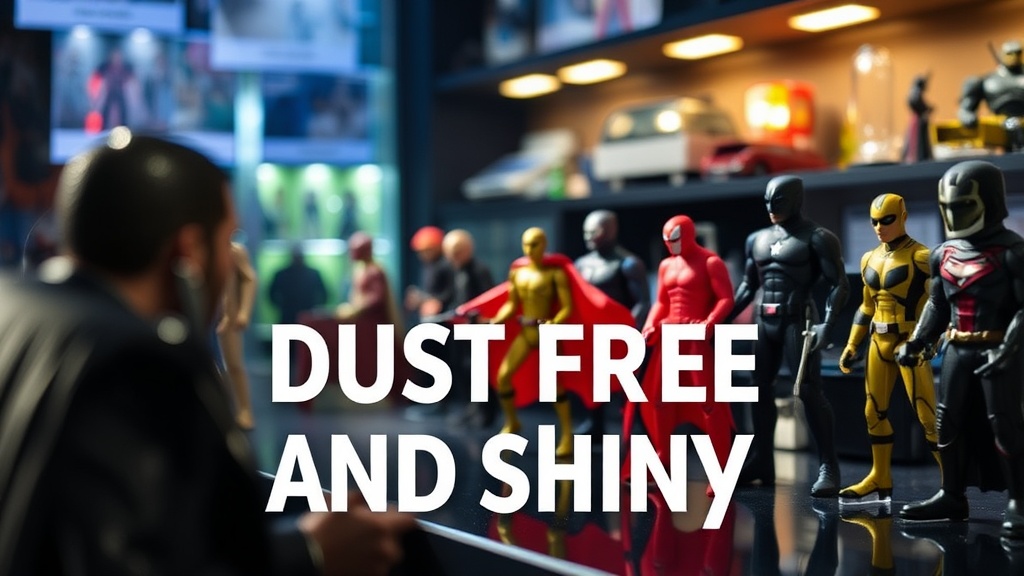
Keeping Your Action Figures Dust Free and Shiny

Microscopic dust particles can actually become abrasive enough to scratch high-gloss paint finishes on premium action figures if left unchecked. This post details the specific methods for cleaning, storing, and maintaining your Star Wars collection to prevent permanent damage from environmental factors. We'll look at the right tools for different materials, the best display solutions, and how to handle delicate pieces like vintage Kenner figures or modern Black Series imports.
How Do I Remove Dust from Action Figures Without Damaging the Paint?
The safest way to remove dust is by using a soft-bristled brush or compressed air to lift particles without touching the surface.
Most collectors make the mistake of grabbing a damp cloth and wiping a figure down. Don't do that. Even a soft microfiber cloth can cause micro-scratches on the paint of a Star Wars: The Black Series figure if you press too hard. If you have a highly detailed piece—like a vintage Boba Fett with weathered paint—you need to be even more careful.
I recommend starting with a high-quality makeup brush. Specifically, a clean, synthetic eyeshadow brush works wonders. It’s soft enough to sweep away debris from crevices in a Stormtrooper's armor without stripping any loose paint. If the dust is stubborn, a can of compressed air (the kind used for cleaning computer keyboards) is your best friend. Just a quick, short burst is enough. If you hold the nozzle too close or too long, the pressure might actually be enough to knock a small accessory loose.
For those who own more "battle-damaged" or weathered figures, be extra cautious. The paint on these items is often thinner. If you use a damp cloth, you might actually lift the intentional weathering, which ruins the aesthetic value. Here is a quick hierarchy of cleaning tools based on the figure's fragility:
- Low Risk: Compressed air (best for heavy armor/large figures).
- Medium Risk: Soft makeup brushes or high-end camera lens brushes.
- High Risk: Microfiber cloths (only for large, non-detailed surfaces).
- Extreme Risk: Liquid cleaners or any chemical-based wipes (never use these on collectible plastic).
If you have a particularly sticky or grimy figure—maybe one that sat in an attic for a decade—you can use a very slightly damp Q-tip. But honestly, unless it's a complete mess, keep it dry. Water and moisture can seep into joints and cause issues over time.
What Is the Best Way to Display Star Wars Figures?
The best display method is an enclosed glass or acrylic case that provides a barrier against dust, sunlight, and humidity.
Displaying your collection on an open shelf is a recipe for a constant cleaning cycle. I've learned this the hard way. If you have a shelf of Hasbro figures out in the open, you'll be dusting them every single week. It's exhausting. Instead, look into dedicated display cases. Acrylic cases are great because they are lightweight and easy to clean, but glass cases (like those from IKEA) offer a more premium, museum-grade look.
One thing to watch out for is the light source. If your display is near a window, your figures are in danger. UV rays are the enemy of plastic. They cause "yellowing" in white plastics and can even make the paint fade. If you're using LED lights in your display, make sure they are "cool" LEDs. Traditional incandescent bulbs emit heat, and heat is a silent killer for collectible-grade plastics. A hot display case can actually soften the plastic of a figure's joints, leading to "loose limb" syndrome where the figure can no longer stand.
Check out the Wikipedia page on UV radiation to understand how much damage light can actually do to materials over long periods. It's not just a theory; it's a documented physical reaction.
If you're a heavy collector, you might want to consider a dedicated cabinet. Here's a quick comparison of display types:
| Display Type | Dust Protection | UV Protection | Maintenance Level |
|---|---|---|---|
| Open Shelving | Very Low | None | High (Weekly dusting) |
| Acrylic Cases | High | Moderate | Low (Monthly dusting) |
| Glass Cabinets | Very High | High (with UV coating) | Very Low |
How Do I Prevent Plastic Degradation and "Sticky Figure" Syndrome?
Preventing degradation requires controlling the temperature and humidity of your storage environment.
Have you ever opened an old figure and found it feels slightly tacky or "sticky"? This is often a sign of chemical breakdown in the plastic or the breakdown of plasticizers. It's a common issue with certain vintage lines. To prevent this, avoid storing your collection in unconditioned spaces like basements or attics. These areas experience massive swings in temperature. Heat causes the chemicals in the plastic to migrate to the surface, creating that gross, sticky feeling.
A stable, climate-controlled room is the gold standard. If you live in a very humid area, a dehumidifier can be a lifesaver. High humidity can lead to more than just stickiness; it can cause mold growth on packaging or even rust on metal parts in high-end statues. It's better to be safe than sorry. I always keep my main collection in the living area, not a storage closet. It's much easier to monitor the environment in a room you actually live in.
For those who collect "in-box" figures, the situation is slightly different. The cardboard box provides a layer of protection, but it's still susceptible to environmental damage. Humidity can make the cardboard soft and limp, and "shelf wear" can occur if the boxes are stacked too high. If you're a serious collector, you might want to look into official Hasbro product pages or collector forums to see how others handle long-term archival storage for MIB (Mint In Box) items.
One tip I've found helpful: never store your figures in a way that puts pressure on the joints. If you're displaying a figure in a dynamic pose, ensure the stand is sturdy. If the plastic is already a bit aged, the weight of the figure can cause the joints to sag over time. This is a slow, permanent change that you can't really fix once it happens.
The goal isn't just to keep them clean—it's to keep them structurally sound. A clean figure is a beautiful figure, but a well-preserved figure is a valuable one. Whether you're a casual fan or a hardcore investor, these small habits make a massive difference in the long run. Keep those lights low, the dust away, and the temperature steady. Your future self will thank you when you're looking back at a pristine collection decades from now.
Steps
- 1
Use a Soft Brush
- 2
Damp Microfiber Wipe
- 3
Avoid Harsh Chemicals