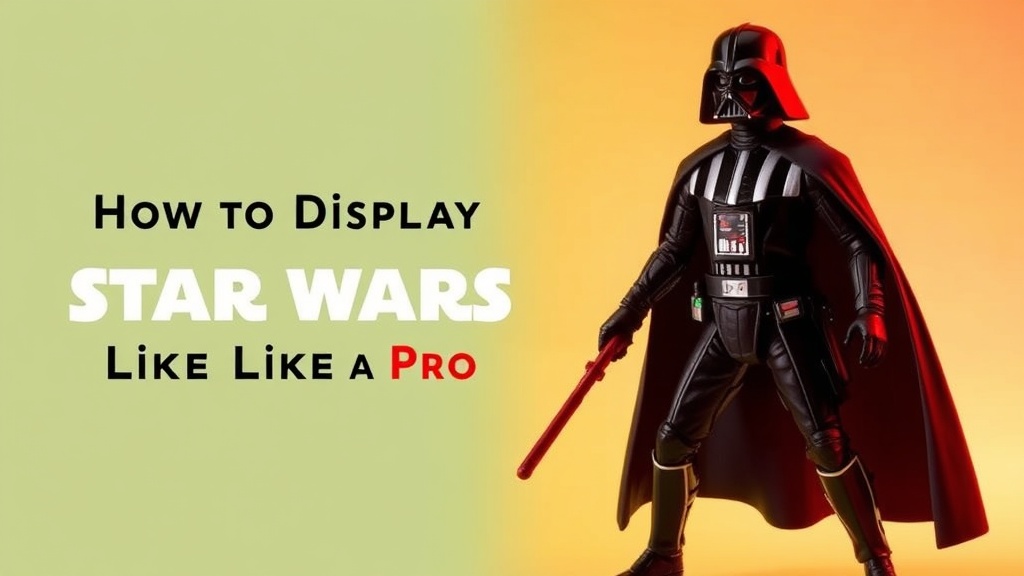
How to Display Your Star Wars Action Figures Like a Pro

This post covers proven methods for displaying Star Wars action figures—shelving systems, lighting techniques, dust protection, and arrangement strategies that protect investments while creating stunning visual impact. Whether the collection spans five figures or five hundred, proper display makes all the difference between toys stuffed in boxes and a showcase-worthy presentation that visitors actually stop to admire.
What's the Best Way to Arrange Star Wars Figures on Shelves?
The most effective shelf arrangement depends on collection size, available space, and which era or scale dominates the display. Vertical shelving maximizes wall space—standard Billy bookcases from IKEA work surprisingly well for 3.75-inch figures, while deeper units accommodate larger Black Series boxes or diorama pieces.
Consider sight lines. Figures placed at eye level (roughly 5–6 feet from the floor) draw immediate attention. Reserve this prime real estate for grails—perhaps that Hasbro Vintage Collection Yak Face or the Sideshow Collectibles Darth Vader—while less rare pieces fill upper and lower tiers. The catch? Overcrowding kills the effect. Leave breathing room between figures; about two inches minimum prevents the dreaded "wall of plastic" look.
Stagger heights using acrylic risers. The Nordik Display acrylic step risers (available through Amazon or specialty retailers) cost roughly $25–40 per set and create natural visual hierarchy. Place taller figures—Chewbacca, Darth Vader, IG-88—toward the back. Shorter characters like Yoda, Jawas, or astromech droids occupy front positions.
For loose figures (out of package), dynamic posing matters. A stormtrooper standing at attention looks flat. Angle the legs slightly, turn the head—small adjustments suggest movement. The NECA figure stands provide clear support without visual distraction.
Shelving Comparison: Battle-Tested Options
| Option | Best For | Price Range | Pros | Cons |
|---|---|---|---|---|
| IKEA Billy (wide) | 3.75" loose figures | $79–99 | Adjustable shelves, glass door options | Shallow depth limits posed figures |
| IKEA Detolf (glass) | Carded figures, statues | $129–149 | 360° visibility, modern aesthetic | Fixed shelf heights, narrow width |
| Prepac Elite 32" | 6" Black Series | $150–200 | Deeper shelves, sturdy construction | Requires more floor space |
| Custom acrylic cases | High-value grails | $50–300+ | UV protection, stackable | Cost scales with quantity |
Worth noting: wall-mounted floating shelves create dramatic displays but require studs or heavy-duty anchors. A full Hasbro The Vintage Collection lineup weighs more than anticipated—figure 2–3 pounds per dozen carded figures.
How Do You Light a Star Wars Figure Collection Properly?
Proper lighting transforms plastic figures into museum-quality displays. LED strips positioned above each shelf (not just the cabinet top) eliminate shadows and highlight sculpt details. Warm white (2700K–3000K) renders skin tones naturally; cool white (5000K+) suits metallic characters like C-3PO or Mandalorians.
Here's the thing: heat matters. Incandescent bulbs damage packaging and can warp softer plastics over time. LEDs run cool and sip electricity. The Philips Hue light strips offer app-controlled color options—imperial red for Sith displays, blue for Jedi, green for bounty hunters. That said, basic Govee LED strips ($15–25) deliver excellent results at fraction of the cost.
Position lights at the front edge of shelves, angled back toward the figures. This "museum lighting" approach creates depth and prevents flat, washed-out appearances. Battery-operated puck lights work for renters who can't hardwire fixtures—the Brilliant Evolution wireless LEDs include remote controls and timers.
Avoid direct sunlight at all costs. UV radiation yellows white plastics (those stormtrooper armors won't stay pristine) and fades card art. If the display area receives natural light, apply UV-blocking film to windows or rotate figures seasonally. Some collectors in sun-facing rooms (common in Ottawa's older Centretown homes) install blackout curtains as insurance.
Should Star Wars Figures Stay in the Box or Be Displayed Loose?
This debate splits the community cleanly down the middle—and the "right" answer depends entirely on collecting goals. Carded vintage figures (1977–1985 Kenner) in pristine condition command astronomical prices; opening them destroys 80–90% of value instantly. Modern releases? The math differs.
Here's a practical framework:
- Keep carded if: the figure is vintage (pre-1995), a limited convention exclusive, or purchased specifically as investment. Store these upright in protective cases—GW Acrylic Star Cases or Zoloworld cases run $5–12 each but prevent shelf wear and yellowing.
- Open and display if: the figure is modern retail, doubles of army builders, or intended for photography/play. Loose figures photograph better, pose dynamically, and frankly—look more alive.
That said, many collectors choose the middle path: "the gentle opener." Using a hair dryer to soften blister glue, carefully separating the bubble from cardback, preserving both components. This allows display while maintaining resale optionality.
For loose figure storage between displays, archival plastic bins with gasket seals (the Sterilite gasket boxes available at Canadian Tire) prevent dust accumulation and humidity damage. Add silica gel packets—especially important in Ottawa's humid summers or near basements.
Protection Products That Actually Work
Not all "collector supplies" deliver. Avoid cheap polybags from dollar stores; they off-gas chemicals that can fog clear bubbles over years. Stick to:
- Protech Star Case series—industry standard for 3.75" carded figures
- GW Acrylics—premium option with UV coating
- Soft protectors for 6" Black Series—folding PET cases, roughly $2 each in bulk
- Acid-free tissue paper—for wrapping loose capes and soft goods
How Can You Create Themed Displays That Tell Stories?
Random assortments feel like toy shelves. Themed groupings feel like exhibitions. The most compelling displays arrange figures by narrative connection rather than release date or scale mixing.
Consider these proven arrangements:
- Scene recreation: The Mos Eisley cantina with Greedo, Ponda Baba, and Hammerhead around a custom bar. Add the Jazzinc Diorama cantina section (resin, $200–400) or DIY with foam core and printed backdrops.
- Army building: Twenty stormtroopers in formation creates visual impact no single figure achieves. Alternate poses—some at attention, others gesturing, one kneeling.
- Character evolution: All Anakin/Vader iterations from child to maskless redemption. Vertical progression suggests the character arc.
- Faction warfare: Separatist droids facing clone troopers. The contrast in design—organic curves versus mechanical angles—photographs exceptionally well.
Background elements complete the illusion. Printed backdrops from Extreme-Sets or Undead.Gremlin on Etsy cost $20–50 and establish environment without consuming shelf depth. For 6" Black Series collectors, the Hasbro The Vintage Collection playsets (reissued cardboard Death Star and trash compactor) scale surprisingly well as background texture.
Don't overlook negative space. A single Boba Fett centered on an empty shelf commands more presence than twenty figures crammed together. Rotate displays seasonally—Empire-themed in winter, Jedi beach vibes in summer. The rotation itself becomes enjoyable maintenance rather than chore.
Common Display Mistakes to Avoid
Even experienced collectors slip up. Watch for these pitfalls:
- Ignoring weight distribution: Those detolf shelves bow under heavy statues. Distribute weight or add center supports.
- Forgetting about dust: What looks pristine at setup becomes fuzzy in months. Compressed air (the DataVac electric duster, not canned air) cleans figures without residue.
- Over-lighting: Too many LEDs wash out colors and create harsh shadows. Start subtle—you can always add more.
- Neglecting security: Earthquakes happen (rare in Ottawa, but not impossible). Museum putty secures bases without damaging paint.
The ultimate test? Step back ten feet. If the display creates a cohesive visual impression from across the room, the arrangement works. If individual figures compete for attention rather than contributing to overall impact, edit ruthlessly.
A well-displayed Star Wars collection rewards attention at every distance—the immediate impact from afar, the detail examination up close, and the storytelling connection that keeps collectors (and their guests) returning to look just once more.
Steps
- 1
Choose the Right Display Case or Shelving System
- 2
Install Proper LED Lighting to Highlight Your Figures
- 3
Use Acrylic Risers and Maintain Dust Protection