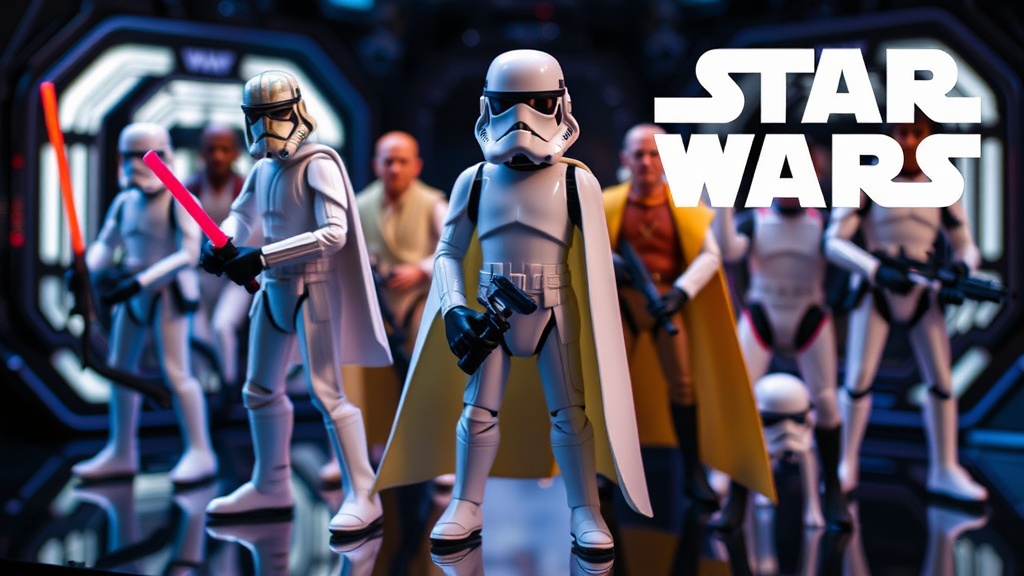
Expensive Mistakes Collectors Make With Modern Star Wars Figures

Most collectors assume vintage Kenner pieces are the only items requiring serious expertise—that modern Hasbro releases are straightforward "buy and display" purchases that don't demand much thought. That assumption costs people hundreds of dollars annually, sometimes more.
The reality is that modern Star Wars collecting has grown unexpectedly complicated. Between retailer exclusives, variant hunting, windowless packaging, and quality control inconsistencies, today's collector faces pitfalls that didn't exist in the vintage era. This listicle breaks down the expensive mistakes I see repeatedly in the Ottawa collecting community and online forums—errors that stem from applying vintage-era thinking to modern releases.
Why Do the Same Figures Cost Wildly Different Prices at Different Stores?
Price inconsistency drives new collectors crazy. You'll find a Black Series figure for $24.99 at one retailer, then spot what appears to be the identical figure for $34.99 elsewhere—or worse, $19.99 on clearance three months later. This isn't random.
Hasbro's modern distribution involves multiple retail channels with exclusive agreements. Big box stores (Target, Walmart in the US; Toys R Us and specialty retailers in Canada) negotiate exclusive paint variants, early release windows, or bundled accessories. These exclusives carry different wholesale pricing, and retailers pass those costs along unpredictably. A figure that costs Target less to stock might retail higher than Walmart's standard release due to exclusive packaging or bundled items you didn't notice.
Regional distribution creates further gaps. Canadian collectors often pay premium prices for figures that US collectors find at standard retail—not because of import costs alone, but because distribution agreements limit which warehouses supply which regions. I've seen Ottawa collectors pay $45 for figures available in Buffalo for $25 simply because the Canadian distribution channel never received that case assortment.
Smart collectors track release calendars on Hasbro Pulse and monitor international pre-order pricing. Sometimes ordering from UK or Australian retailers—even with shipping—beats domestic exclusives. The key is recognizing that modern Star Wars collecting requires price comparison across regions, not just across the street.
Are You Actually Damaging Figures by Keeping Them in the Packaging?
Vintage collectors worshipped "mint on card" condition—unpunched, unpopped, preserved in acrylic cases. That sealed-bubble confidence doesn't apply when you can't see the figure inside. Modern "collector grade" purchases often require opening the package to verify paint applications aren't defective—something unthinkable to vintage purists who treasure unpunched cards. There's a real debate happening in collector circles: are we actually preserving value, or just hoarding mystery boxes?
The shift to windowless packaging creates a unique storage dilemma too. Without the protective bubble, figures rattle against cardboard during shipping. I've received "mint" boxes from Amazon with figures swimming freely inside—arms detached, accessories scattered. For modern collecting, pristine packaging now means checking whether the glue holding the tray actually holds, not just whether the cardback has creases.
The Weight Distribution Problem
Modern Black Series and Vintage Collection figures ship in windowless boxes where heavy accessories (lightsabers, blasters, capes) shift during transit. Unlike vintage bubbles that physically secured items, modern packaging relies on cardboard tension that loosens over time. Standing these boxes upright on shelves causes gradual settling that creates permanent cardboard warping.
When "Mint on Card" Doesn't Mean What You Think
The collecting community hasn't fully adjusted its language. We still say "MOC" (mint on card) when describing modern windowless boxes, but the condition factors changed completely. Cardback creases matter less now; glue integrity, corner crushing from Amazon shipping, and internal tray shifting matter more. A "mint" modern box might hide a detached lightsaber or scratched face paint you'll never discover without opening.
What Should You Know About Paint Applications Before Buying?
Hasbro's quality control has become inconsistent—there's no gentle way to phrase it. Where vintage Kenner figures used simpler paint masks with fewer errors, modern figures feature complex eye prints, weathering effects, and multi-layered deco that factory workers rush through to meet demand. The result? Every collector has stories about misaligned pupils that make Jedi look concussed.
This isn't necessarily bad news. Factory errors with truly unique paint applications—think double-printed faces or missing color layers—can command premiums from specialized error collectors. The problem comes when standard figures arrive with sloppy work that hurts display appeal without being rare enough to matter. You don't want a Luke Skywalker whose lazy eye follows you across the room unless you're collecting mistakes intentionally.
The Eyes Have It
Face printing technology (Hasbro calls it "Photo Real") revolutionized figure likenesses but introduced new quality control points. Each face requires precise alignment of multiple ink layers—skin tone, eye white, iris color, black pupil, eyebrow definition. When layers shift even slightly, figures look googly-eyed or permanently surprised. Through windowless packaging, you can angle figures toward light to check alignment before purchasing.
Battle Damage Variations
Weathering effects vary dramatically between production runs. One batch might feature subtle carbon scoring; the next looks like someone attacked the figure with a black marker. These variations aren't documented as separate releases, but collectors absolutely notice the differences—and the better-painted versions command secondary market premiums months after release.
Is Collecting Complete Sets Actually Hurting Your Collection's Value?
The completionist mindset runs strong in Star Wars collecting. There's something satisfying about seeing every figure from a wave arranged sequentially, filling display gaps like puzzle pieces. Here's the uncomfortable truth: that approach often dilutes collection value rather than building it.
Character popularity shifts dramatically over time. That Constable Zuvio figure completing your Force Awakens set? Retailers couldn't give him away in 2015—now he warms pegs in discount bins while Rey and Kylo Ren variants appreciate. Modern Star Wars films and series create temporary demand spikes followed by long plateaus. Completing every wave means investing heavily in characters nobody remembers while missing allocation for heavy hitters.
Experienced collectors focus on characters with enduring appeal—Vader will always outsell background aliens from standalone films. They buy selectively within waves rather than automatically, allocating budget toward limited exclusives and character variants with genuine scarcity. Your collection shouldn't feel like a census—it should reflect deliberate choices about which Star Wars moments actually matter to you.
Why Do Some "Rare" Figures Sit on Shelves for Months?
Artificial scarcity drives modern collecting psychology. Hasbro and retailers learned that limited availability creates urgency, so "exclusive" labels get applied liberally. Yet walk into any GameStop six months after a "limited" exclusive drops—you'll often find those "rare" figures sitting at clearance prices.
The hype cycle works predictably: pre-order panic drives initial sellouts, flippers buy multiples hoping for quick profits, then supply catches demand and prices crater. Figures like certain Carbonized variants or Retro Collection releases followed this pattern exactly—expensive for three months, then shelf-warming at original retail. Meanwhile, actual scarcity comes from unexpected sources—shipping delays, international distribution quirks, or last-minute character popularity from streaming series that manufacturers didn't anticipate.
Smart collectors wait out the initial frenzy rather than paying $80 for a $25 figure on eBay. Patience typically rewards you with retail restocks or modest secondary market premiums. The exceptions—genuinely limited convention exclusives or international releases without domestic distribution—require research, not impulse purchasing.
Modern Star Wars collecting rewards those who treat it as active engagement rather than passive consumption. The vintage era offered simplicity: walk into a store, buy what you like, store it carefully. Today's landscape demands research, patience, and willingness to open packages when necessary.
The Ottawa collecting community I engage with regularly shares information about which retailers honor exchanges for defective figures, which shipping methods actually protect windowless packaging, and which "exclusive" releases deserve immediate attention versus wait-and-see approaches. That collective knowledge matters more than individual expertise now.
Your collection should bring satisfaction—not anxiety about whether you overpaid for a figure that'll restock next month, or whether that sealed box hides a paint error you'll discover too late. Collect deliberately, question hype, and remember that Star Wars toys exist to celebrate stories you love, not to create financial stress. The best collections reflect personal connection to the galaxy far, far away—not completionist anxiety or speculative flipping.